Buried Truths
The History of Nuclear Waste
From government secrecy in the atomic age to Indigenous and community resistance today.
The Illusion of Control
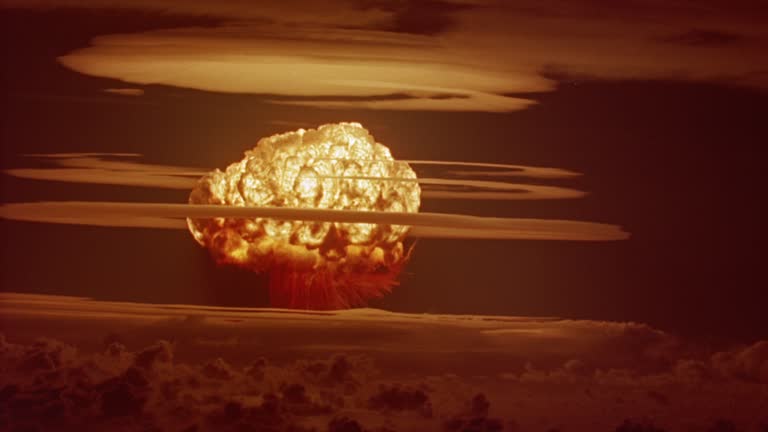
1954. The Cold War is in full motion, and America is building bombs faster than ever. Out in the Pacific, the Castle Bravo test is a success, turning the sky white—an explosion so powerful its fallout drifts for hundreds of miles. Back home, the U.S. Atomic Energy Commission releases a quiet report calling the ocean 'the most important method for large-scale disposal' of radioactive waste. To scientists at the time, the sea seems endless.
Dumping Grounds of the Atomic Age
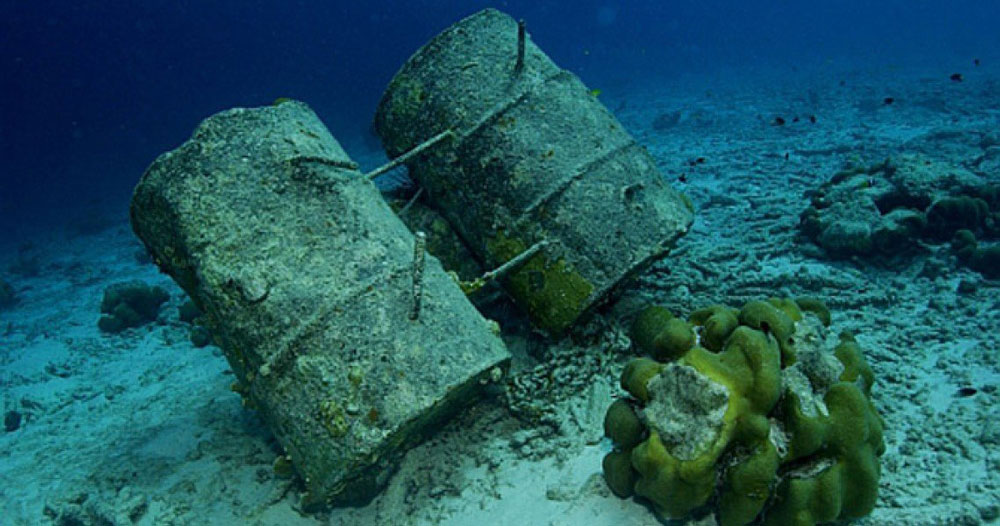
Barrels of radioactive waste rolled into the ocean, thousands and thousands of them, from California to the open Pacific. During the Manhattan Project era, there were no safety standards, no long-term plans. At Oak Ridge, waste flows straight into the Clinch River. In New Mexico, the canyons near Los Alamos become dumping grounds. The government reassured the public that radioactive waste was being handled safely, but this was far from the truth.
Early Warnings Beneath the Surface
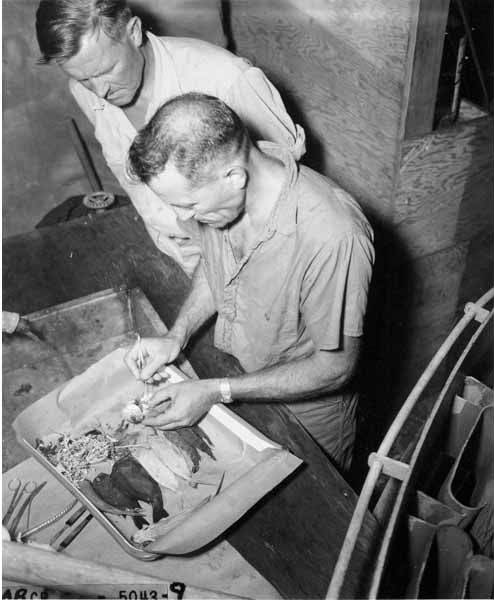
Researchers in the 1950s such as aquatic biologist Lauren R. Donaldson at the Hanford Site quietly documented radioactive traces in fish and river sediment near nuclear reactors. Their findings? Radiation was spreading through local ecosystems. But rather than alert the public, officials classified these reports and framed the issue as a technical problem—something to be solved inside laboratories, not as a threat to neighboring communities’ health.
The Rise of Activism
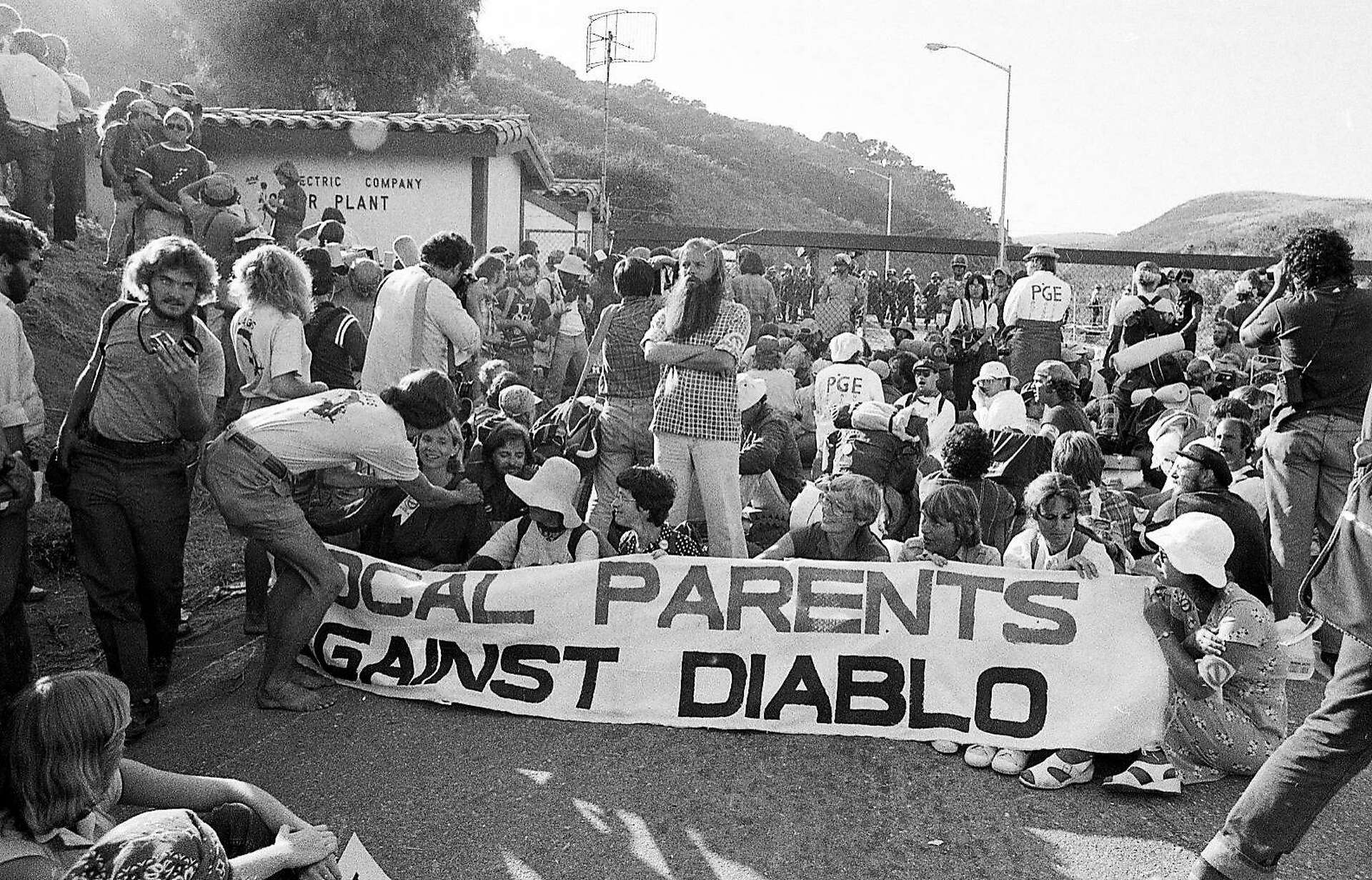
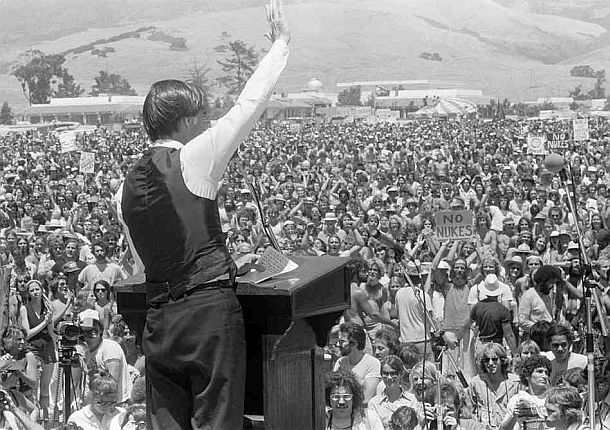
As contamination spread and secrecy persisted, public trust eroded. In the 1960s and 70s, groups like the Abalone Alliance began challenging the narrative of nuclear containment. Activists organized marches, blockades, and educational campaigns to expose the environmental and human risks of nuclear energy and weapons production. Their work pushed nuclear safety into the national conversation.
A Future Written in Resistance
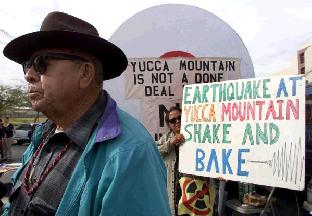
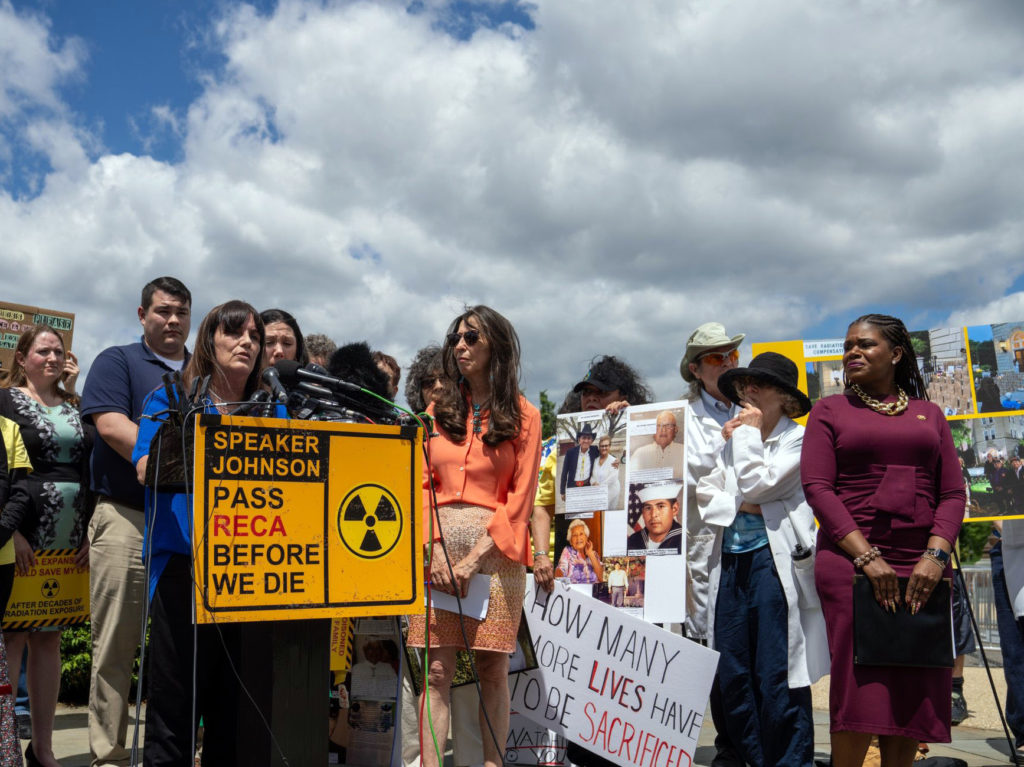
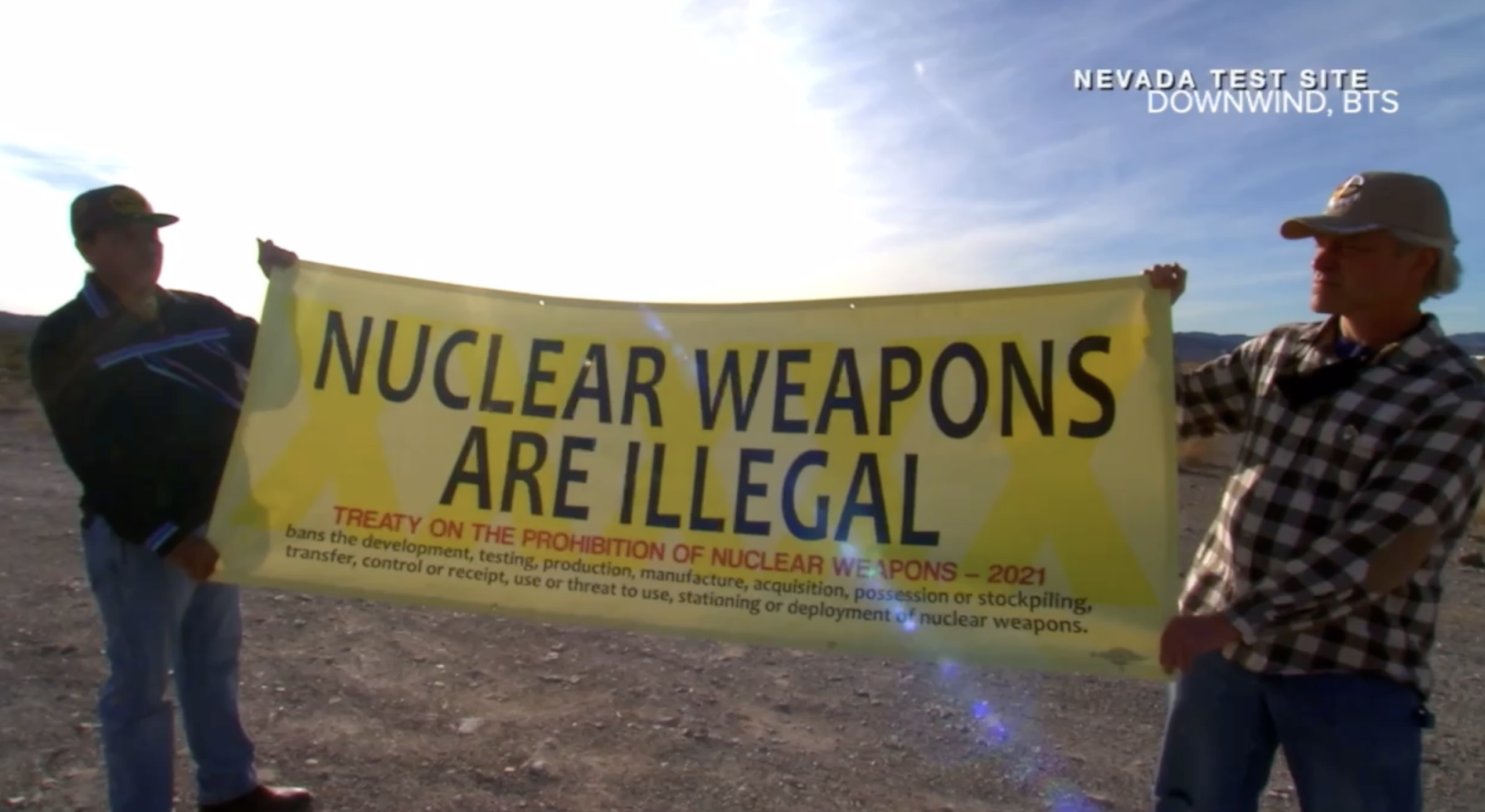
In the decades that followed, the government’s confidence would collide with grassroots groups like the Abalone Alliance that filled the streets, while Native communities near Yucca Mountain fought to protect their land from becoming a burial site for radioactive waste. Each new voice chipped away at the belief that nuclear technology could ever be fully contained. What began as a technical problem became a question of responsibility, a question of what kind of future the country was willing to leave behind. This exhibit follows that journey: from the era of secrets and deception, to the rise of environmental activism throughout the 1970s and 1980s, when citizens demanded to know what was really being buried in America’s soil and water, to the continuing struggles of Indigenous and local communities in the 2000s.
Explore the Chapters
Each chapter unveils another layer of this buried history
Early Nuclear Assumptions
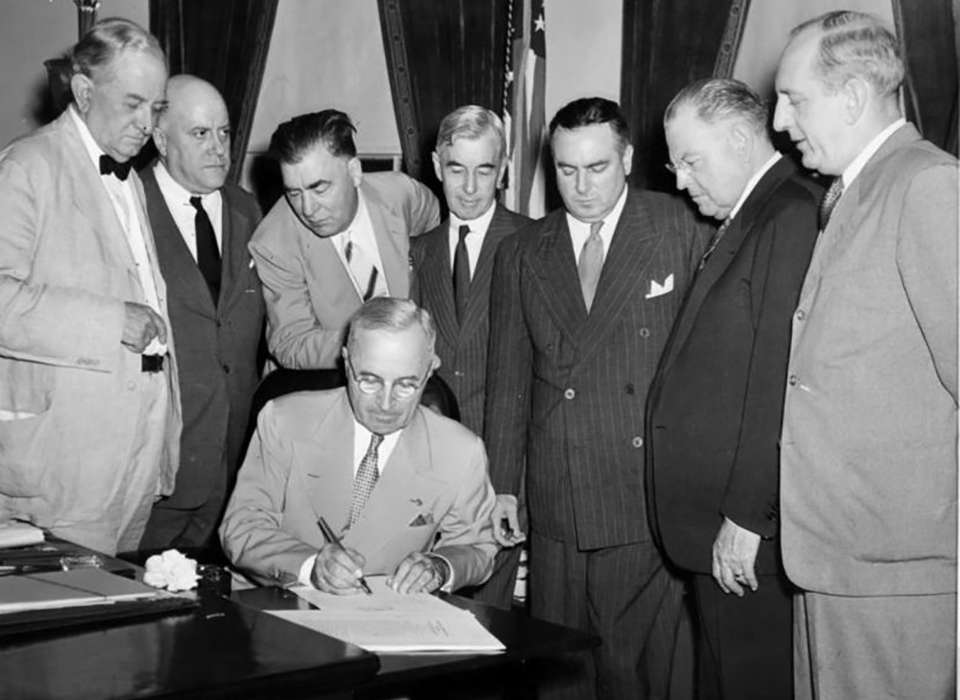
Early technocratic confidence and ocean dumping, Manhattan Project waste, AEC reports, Donaldson research, NRC early geological studies.
Rise of Environemntal Activism and Regulation
Rise of activism (Abalone Alliance), EPA creation, Nuclear Waste Policy Act (1982), repository sitings.
ONGOING IMPACTS & COMMUNITY RESISTANCE
Coldwater Creek activism, Yucca Mountain withdrawal (2010), Indigenous opposition (Paiute/Western Shoshone)
Follow the buried story—chapter by chapter.